A Holistic Perspective
While dietary habits are significant factors influencing health and body composition, they operate within a broader context of lifestyle factors. Research consistently shows that sleep, physical activity, stress management, and social connection all substantially influence metabolic health, energy balance, and overall wellbeing.
Physical Activity and Exercise
Physical activity affects health and body composition through multiple mechanisms:
- Direct Energy Expenditure: Exercise burns energy during the activity itself
- Muscle Development: Resistance training builds muscle tissue, which requires energy to maintain
- Metabolic Effects: Regular activity can improve insulin sensitivity and metabolic health
- Appetite Regulation: Exercise influences hunger and satiety hormones
- Mental Health: Physical activity reduces stress and improves mood
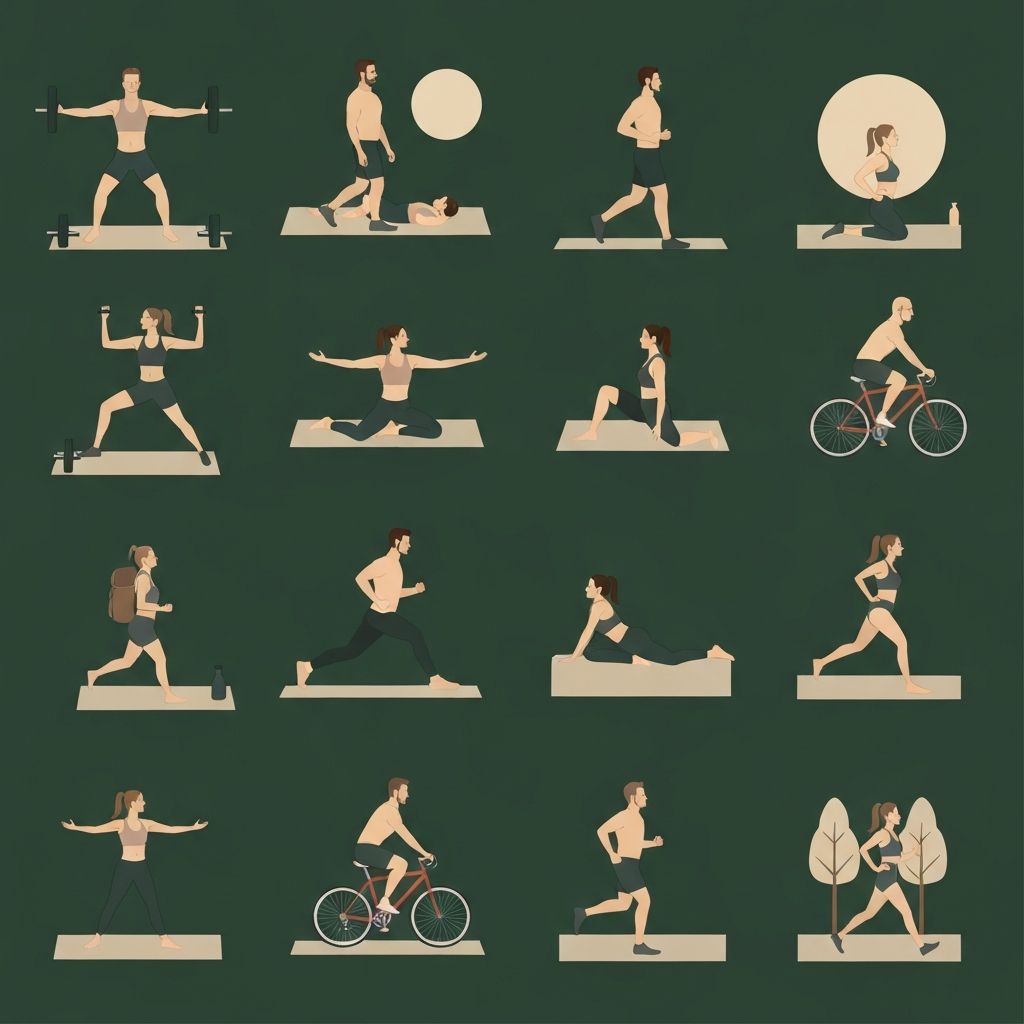
Different types of activity produce different effects. Resistance training builds muscle, cardiovascular activity improves aerobic fitness, and flexibility work supports mobility and injury prevention.
Sleep and Recovery
Sleep duration and quality significantly influence metabolic health:
- During sleep, the body repairs tissues, consolidates memories, and regulates hormones including those involved in appetite and metabolism
- Insufficient sleep increases ghrelin (hunger hormone) and decreases leptin (satiety hormone), potentially increasing food intake
- Sleep deprivation impairs glucose metabolism and can reduce insulin sensitivity
- Poor sleep quality is associated with increased inflammation and metabolic dysfunction
- Sleep duration varies by individual need, typically 7-9 hours for adults, but this varies
Stress and Mental Health

Chronic stress affects health through multiple pathways:
- Cortisol Production: Elevated stress hormones can increase appetite, particularly for energy-dense foods
- Inflammation: Chronic stress promotes low-level inflammation linked to metabolic dysfunction
- Sleep Disruption: Stress impairs sleep quality and duration
- Behavioral Changes: Stress can lead to changes in eating patterns and reduced physical activity
- Metabolic Effects: Stress influences how the body partitions energy between muscle and fat storage
Stress management approaches such as meditation, physical activity, social connection, and adequate rest all support metabolic health and resilience.
Social Connection and Environmental Context
Research increasingly demonstrates that social factors influence health outcomes:
- Social Support: Positive relationships and social connection support mental health, stress resilience, and health behaviors
- Food Culture: Eating occurs within social and cultural contexts that influence food choices, meal patterns, and the experience of food
- Food Environment: Access to diverse, whole foods versus availability of ultra-processed foods influences dietary quality
- Work and Lifestyle Structure: Occupational demands, work schedules, and daily routines influence sleep, activity, stress, and eating patterns
Integration of Lifestyle Factors
Health and body composition result from the integration of all these factors: dietary patterns, physical activity, sleep quality, stress management, and social connection all work together. Improvement in one area can support improvements in others. For example, better sleep can increase energy for activity and improve food choices; regular physical activity can improve sleep quality and stress resilience.
Comprehensive Health Context
This article describes how various lifestyle factors influence health and body composition. Individual responses to lifestyle modifications vary based on genetics, health status, and personal circumstances. For guidance on implementing lifestyle changes, consultation with qualified healthcare professionals or specialists in relevant fields (nutrition, fitness, sleep medicine) may be beneficial.