The Physiology of Hunger and Satiety
Hunger and fullness are not simple sensations but rather complex physiological states regulated by multiple systems in the body. Understanding these mechanisms helps clarify why different foods have different effects on appetite, and why individual responses vary significantly.
Hormonal Regulation
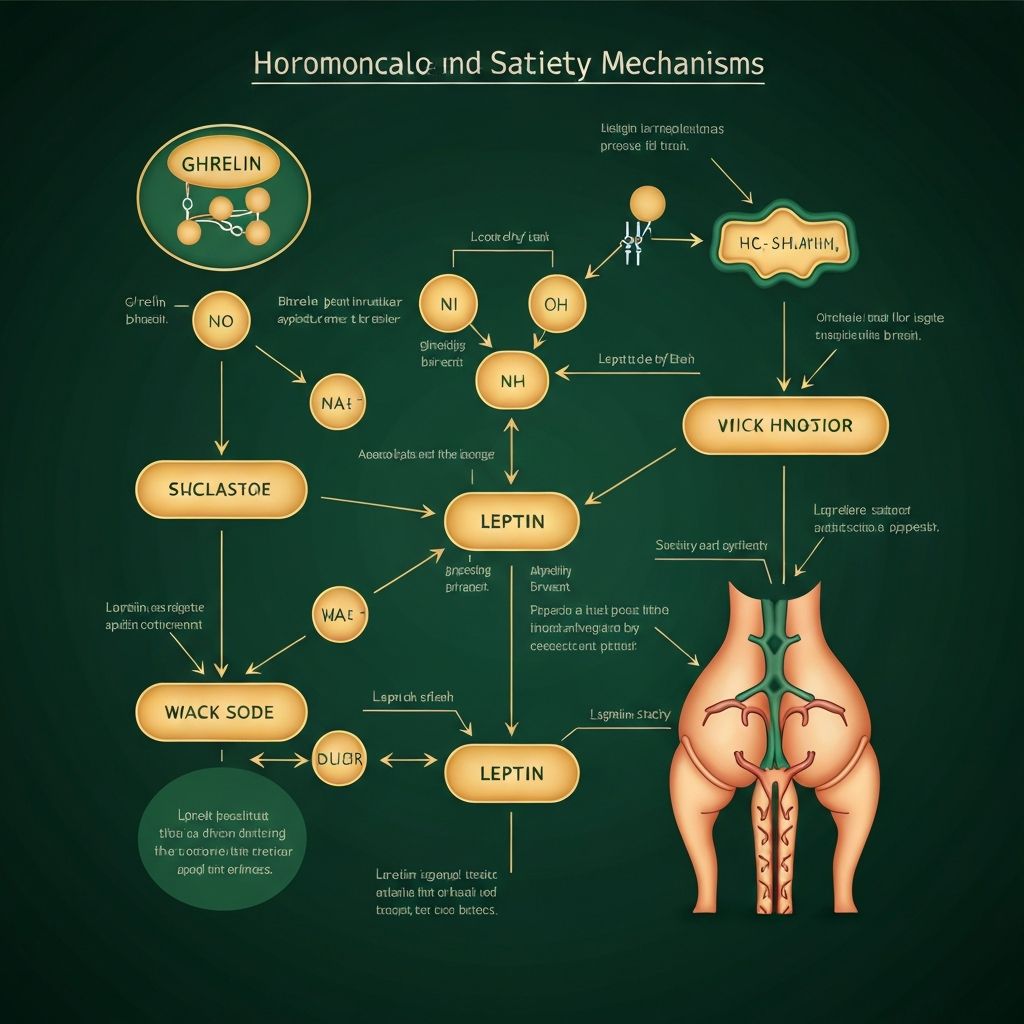
Ghrelin is often called the "hunger hormone." Produced primarily in the stomach, ghrelin levels increase before eating and decrease after food intake. It signals the brain that energy is needed.
Leptin is the "satiety hormone," produced by fat tissue. It signals the brain about energy stores and can influence appetite and energy expenditure. Leptin sensitivity varies among individuals.
Peptide YY and GLP-1 are hormones released by the intestines in response to nutrient intake, particularly protein and fat. They signal fullness to the brain and can influence subsequent food intake.
Insulin regulates blood glucose and has roles in energy storage and satiety signaling.
Factors Affecting Satiety
Multiple factors influence how full we feel after eating:
- Macronutrient Composition: Protein is generally more satiating than carbohydrates or fats. Fat provides satiety but is calorie-dense. Fiber contributes to fullness signals.
- Food Volume and Texture: Foods with higher water and fiber content (vegetables, whole grains) tend to be more filling per calorie than energy-dense foods.
- Eating Rate: Slower eating allows satiety signals to reach the brain, which takes 15-20 minutes after eating begins.
- Individual Physiology: Genetic factors, metabolic rate, and previous dietary patterns influence hunger and satiety hormones.
- Behavioral and Environmental Factors: Stress, sleep deprivation, food environment cues, and habits influence appetite perception independent of true nutritional needs.
- Previous Dietary Pattern: Adaptation to specific eating patterns can influence satiety responses over time.
Individual Variation
Just as people have different taste preferences, they also have different hunger and satiety responses. What makes one person feel full may not have the same effect for another.
This variation stems from:
- Differences in hormone sensitivity and production
- Genetic factors affecting metabolism
- Lifestyle and dietary history
- Activity level and energy expenditure patterns
- Individual food preferences and eating behaviors
This explains why dietary approaches that work well for some individuals may not work as effectively for others.
Intuitive Eating and Awareness
Some nutritional approaches emphasize awareness of hunger and fullness cues. These approaches suggest that learning to recognize and respond to these signals—rather than relying solely on external guidelines—may support sustainable eating patterns. However, in modern food environments with highly palatable processed foods, these signals can be influenced by factors beyond true nutritional needs.
Context of Complexity
Hunger and satiety are complex physiological and behavioral phenomena influenced by numerous interconnected factors. This article describes general principles; individual experiences and needs vary significantly based on personal physiology, lifestyle, and circumstances. For personalized guidance on hunger, satiety, and dietary patterns, consultation with qualified healthcare professionals is appropriate.