What Are Macronutrients?
Macronutrients are nutrients required in relatively large quantities by the body. They provide energy, form the structure of cells and tissues, and facilitate numerous physiological processes. The three primary macronutrients are proteins, carbohydrates, and fats.
Proteins
Function: Proteins are composed of amino acids, which serve as building blocks for muscles, bones, cartilage, skin, and virtually all tissues. They also form enzymes, hormones, and antibodies essential for metabolic processes and immune function.
Metabolic Role: Protein digestion requires significant energy (thermic effect), supports muscle maintenance and repair, and promotes satiety—meaning it helps regulate appetite and food intake.
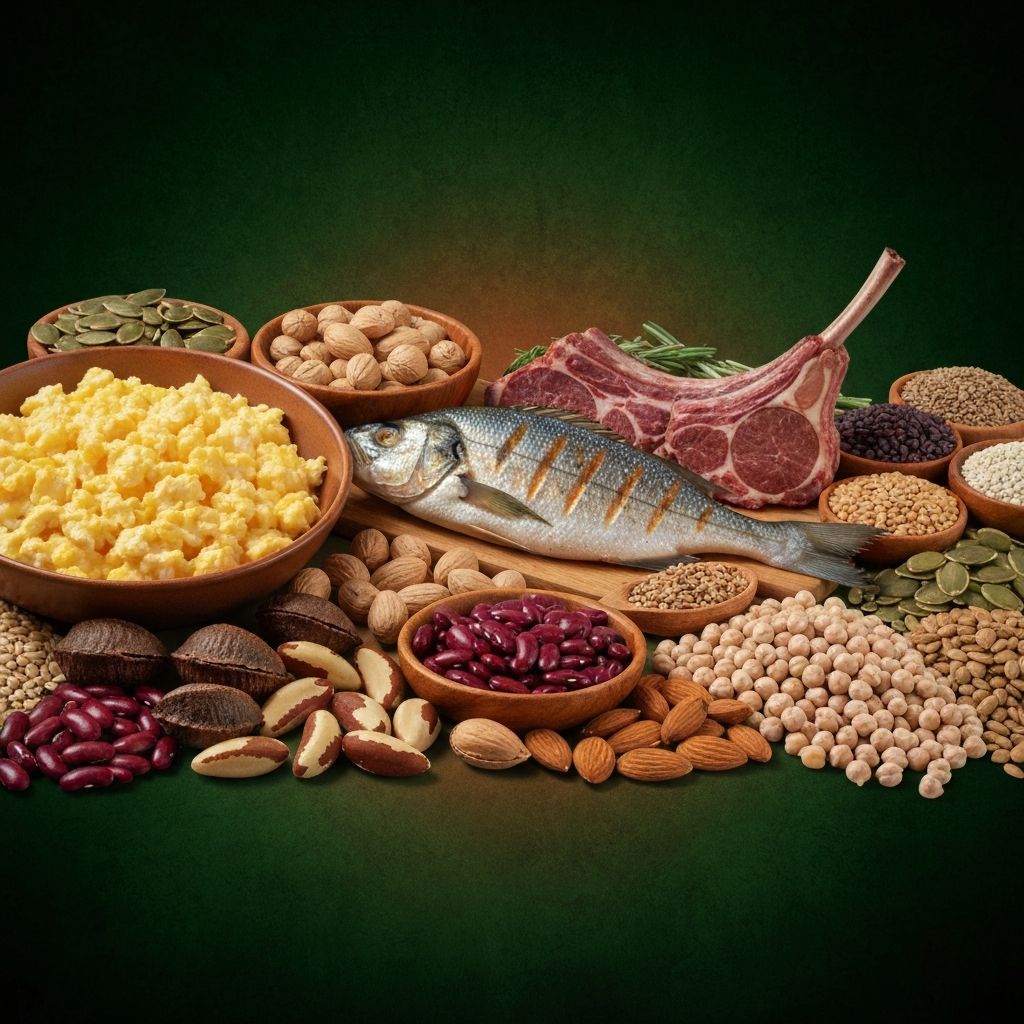
Common Sources: Meat, fish, poultry, eggs, dairy products, legumes, nuts, seeds, whole grains (in smaller amounts)
Carbohydrates

Function: Carbohydrates are the body's primary energy source, particularly for the brain and central nervous system, which rely almost exclusively on glucose. They also provide fiber, which is crucial for digestive health.
Types: Simple carbohydrates (sugars) are quickly absorbed and raise blood glucose rapidly, while complex carbohydrates (starches and fiber) are absorbed more slowly and provide more sustained energy.
Common Sources: Whole grains, vegetables, fruits, legumes, dairy products. Refined grains and added sugars are carbohydrates with reduced micronutrient density and often lower fiber content.
Fats (Lipids)
Function: Despite their reputation, fats are essential for numerous physiological processes. They facilitate the absorption of fat-soluble vitamins (A, D, E, K), provide structural components for cell membranes, enable hormone production, support nervous system function, and serve as an energy source (9 calories per gram, compared to 4 for protein and carbohydrates).
Types: Saturated fats (primarily from animal sources), monounsaturated and polyunsaturated fats (from plant and marine sources). Research has generally found that the type of fat consumed affects cardiovascular health and other metabolic outcomes.
Common Sources: Oils, nuts, seeds, avocados, fish, dairy products, meat, eggs
Individual Requirements
The optimal ratio of macronutrients for any individual depends on multiple factors, including:
- Physical activity level and type
- Age and metabolism
- Health status and medical conditions
- Genetic factors and individual metabolic variation
- Personal goals and preferences
Nutritional science does not support a single "perfect" macronutrient ratio for all people. Rather, various distributions can support health depending on individual circumstances.
Educational Perspective
This article describes the roles of macronutrients in the body based on established nutritional science. It does not provide guidance on individual macronutrient consumption, as optimal intake varies by person and should be determined considering individual health status, activity level, and personal preferences.